More than calm: How meditation apps quietly improved my daily focus and mood
Have you ever felt too tired to unwind, even at the end of a long day? I used to lie awake, mind racing, until I gave one of those meditation apps a real try—not just for stress, but to actually feel more like myself. What started as a quick experiment became a daily ritual. Over time, I noticed I was sleeping better, reacting less to chaos, and actually enjoying small moments. It wasn’t magic—it was consistency, gentle guidance, and a little tech that truly cared.
The Moment I Stopped Using Meditation Apps as Just a Quick Fix
I’ll never forget the night I finally admitted I needed more than a band-aid. My son had been up since 5 a.m. with a fever, my partner was out of town, and by 9 p.m., I was still answering work emails between spoonfuls of soup. When I finally collapsed on the couch, my heart was pounding like I’d run a marathon. That’s when I opened the meditation app—not because I believed in it, but because I had nothing else left. I picked a 10-minute ‘calm mind’ session and closed my eyes. I didn’t feel different when it ended. But I did something I’d never done before: I set a reminder to do it again the next morning.
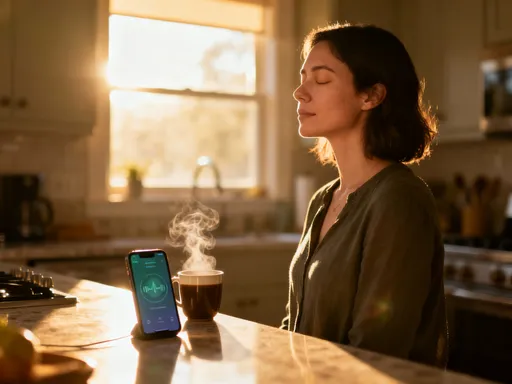
For years, I treated meditation like a fire extinguisher—only useful when things were burning. I’d pull it out after an argument, when I couldn’t sleep, or when I felt like I was failing at everything. But just like you wouldn’t wait for a toothache to start brushing your teeth, I realized I couldn’t keep treating mental clarity as an emergency response. The real shift happened when I stopped waiting to feel broken before I practiced. I began using the app at the same time every day—usually right after I poured my coffee, before the house woke up. No drama. No crisis. Just me, my headphones, and 5 to 10 minutes of breathing.
And slowly, something changed. I didn’t notice it at first, but after a few weeks, I caught myself pausing before reacting when the dog knocked over the trash—again. I wasn’t automatically spiraling when plans changed. It wasn’t that life got easier; it was that I stopped fighting it so hard. The app wasn’t fixing my problems. It was helping me stay present enough to handle them without losing myself. That’s when I realized: meditation wasn’t just for the hard moments. It was for building resilience in the quiet ones.
How Tracking My Mood Helped Me Understand My Patterns
One morning, about three weeks into my new routine, the app asked me a simple question at the end of my session: How are you feeling today? I tapped “calm” without thinking. The next day, it asked again. I said “tired.” A few days later, “hopeful.” At first, I thought this was just a cute feature—like a digital sticker chart for grown-ups. But after a month of tapping my mood daily, something unexpected happened: I started to see patterns. On days I skipped meditation, I was more likely to log “frustrated” or “overwhelmed” by midday. After a good night’s sleep and a morning session, “balanced” and “clear” showed up more often.
Then came the real eye-opener. I noticed that every time I had a restless night, my mood entries the next day trended toward anxiety—even if I didn’t realize it at the time. I’d think, I’m fine, just busy, but the app’s little mood log told a different story. It wasn’t judging me. It wasn’t telling me I was doing it wrong. It was simply reflecting back what I was too close to see. That small act of checking in—just a quick tap—started building self-awareness in a way journaling never had for me. I didn’t have to write pages or analyze my childhood. I just had to be honest in that moment.
What surprised me most was how this tiny habit began to influence my choices. If I saw a cluster of “stressed” entries, I’d ask myself: Did I skip meditation? Did I drink too much coffee? Was I avoiding a conversation I needed to have? The app didn’t give answers, but it gave me clues. And over time, those clues helped me make better decisions—like going to bed earlier, saying no to extra commitments, or just giving myself permission to rest. It wasn’t about fixing my mood. It was about understanding it.
Building a Habit That Actually Stuck—Without Willpower
Let’s be honest—most of us have a graveyard of abandoned apps on our phones. I had meditation apps I downloaded during stressful seasons, used twice, and forgot. The difference this time wasn’t motivation. It was design. This app didn’t ask me to commit to 30 minutes a day. It offered 3-minute sessions labeled “Breathe,” “Reset,” or “Morning Calm.” I could do one while my toast popped up. I could squeeze one in while waiting for the kids’ bathwater to run. It met me where I was—busy, distracted, and often running on empty.
Then there were the reminders. Not the annoying kind that buzz like an alarm, but gentle nudges: “Time to pause,” or “You’ve got this.” I set one for 7:15 a.m., right after I brushed my teeth. It became part of my morning rhythm—like coffee, but quieter. And yes, there was a streak counter. I’ll admit it: I didn’t want to break my streak. But it wasn’t about perfection. If I missed a day, the app didn’t shame me. It just said, “Welcome back. Let’s begin.” That made all the difference.
What really helped the habit stick was how the app celebrated small wins. After seven days, I got a little message: “You’re building something beautiful.” After 30 days, it said, “Consistency is your superpower.” These weren’t flashy rewards. They were kind, human-sounding words that made me feel seen. I wasn’t just using an app—I was being gently guided by one. And because the barrier to entry was so low, I never felt like I had to “find time.” I just showed up, even if only for a few breaths. Over time, those few breaths became non-negotiable. Not because I had to, but because I wanted to.
Seeing Progress: When the App Showed Me What I Couldn’t Feel
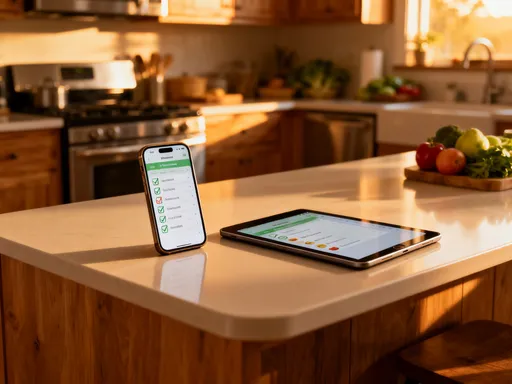
There are days when I finish a meditation session and think, Did that even do anything? My mind still feels busy. My body still carries tension. I don’t walk away feeling transformed. But then I look at my app’s progress page, and the data tells a different story. It shows I’ve meditated 25 days in a row. It shows my average session length is now 12 minutes—up from 5. And when I sync it with my wearable, I see something even more surprising: my resting heart rate has dropped by 8 beats per minute over the past three months.
That number hit me hard. I didn’t feel calmer every day, but my body was clearly responding. My sleep scores on my wearable also improved—more deep sleep, fewer wake-ups. The app didn’t claim credit. It just showed me the trends. And slowly, I began to trust the process, even when I couldn’t feel the benefits in the moment. It reminded me that growth isn’t always dramatic. Sometimes, it’s a slower, quieter kind of healing—the kind that shows up in data before it shows up in feelings.
One morning, after a particularly stressful week, I did a short body scan meditation. Halfway through, I thought, This isn’t working. But when I checked my heart rate afterward, it had dropped from 88 to 74 in just 10 minutes. The app didn’t say “Congratulations!” It just displayed the numbers. But seeing that shift—real, measurable, undeniable—made me realize something important: I don’t always have to feel the change for it to be real. Sometimes, the tech sees what I can’t. And that kind of feedback doesn’t just motivate me—it reassures me. It tells me I’m not imagining it. I’m actually getting better at being me.
It’s Not Just About Me—How My Calm Changed My Home
The most unexpected benefit of my meditation practice wasn’t how it changed me—it was how it changed my home. One evening, my daughter spilled an entire glass of juice on the freshly cleaned kitchen floor. In the past, I would have snapped. I would have said something like, “Why can’t you be more careful?” or “We just cleaned this!” But that night, I paused. Took a breath. And said, “It’s okay. Let’s clean it up together.” She looked at me like I’d grown a second head. Later, my partner said, “You’ve been different lately. Calmer. Like you’re really here.”
And he was right. I was more present. I wasn’t just waiting for the next task to finish so I could collapse. I started noticing little things—the way my son laughs when he’s trying not to giggle, the way my daughter hums when she’s focused on drawing. I found myself pausing before reacting—whether it was a messy room, a missed deadline, or a forgotten permission slip. I wasn’t perfect. But I was more patient. More grounded. And that made a difference in how we all showed up in our home.
One morning, my son asked, “Mom, why do you sit so quietly every morning?” I told him I was practicing how to stay calm. He thought for a second and said, “Can I try?” So we did a 3-minute breathing exercise together. He didn’t sit still the whole time, but he tried. And later that day, when his tower of blocks fell, he took a deep breath and said, “It’s okay. I’ll build it again.” My heart nearly burst. That moment—small, quiet, ordinary—was everything. My practice wasn’t just helping me. It was teaching my kids how to care for their own hearts, too.
Choosing the Right App: What Actually Matters in Daily Use
Not all meditation apps are created equal—especially when you’re looking for something to support you long-term. I’ve tried several, and here’s what I’ve learned: flashy features don’t matter as much as thoughtful design. One app overwhelmed me with hundreds of sessions labeled “Advanced Chakra Alignment” or “Quantum Healing.” I felt intimidated, not inspired. Another cut off access after seven days unless I paid—leaving me frustrated and back where I started.
What I needed—and what finally worked—was simplicity. A clean interface. A few well-organized categories like “Sleep,” “Focus,” and “Anxiety.” Human-sounding voices, not robotic or overly dramatic narrators. I wanted to feel like a real person was guiding me, not a performance. Offline access was a game-changer, too. I could download sessions and use them on the go—no Wi-Fi needed. That meant I could meditate during my commute, at the park, or even in a quiet corner of the grocery store.
Personalization made a big difference. The app I stuck with asked me what I wanted to focus on—sleep, stress, focus—and tailored suggestions accordingly. It remembered my preferences. It didn’t bombard me with new content every day. And it never made me feel like I was falling behind. Instead of pushing me to do more, it celebrated showing up, no matter how short the session. In the end, the best app wasn’t the one with the most downloads or the fanciest ads. It was the one that felt like a quiet companion—always there, never pushy, always kind.
Why This Isn’t Just an App—It’s Part of My Self-Care System
Meditation used to feel like something extra—another task on my to-do list. Now, it feels as essential as drinking water or brushing my teeth. It’s not about achieving enlightenment or silencing my mind completely. It’s about showing up for myself, day after day, in the smallest of ways. Over time, I’ve woven it into a larger self-care rhythm: I journal for 10 minutes after meditating, and I move my body with a short stretch or walk. These aren’t grand gestures. They’re quiet acts of care that keep me grounded.
The app didn’t transform my life overnight. But it gave me a tool—a gentle, consistent, tech-supported way to nurture my mental well-being. It didn’t demand perfection. It didn’t require hours. It just asked me to pause, breathe, and return. And in doing so, it helped me return to myself. I’m not calmer every second of the day. But I recover faster. I listen better. I laugh more. I feel more like the person I want to be—for myself, and for my family.
If you’ve ever thought, I don’t have time for meditation, I get it. I used to think that too. But what if it’s not about adding one more thing? What if it’s about choosing one small moment to reconnect—with your breath, your body, your heart? That’s what this app gave me: not a fix, but a foundation. And from that foundation, everything else—my focus, my mood, my relationships—has grown stronger, quieter, and more resilient. It’s not magic. It’s just me, showing up, one breath at a time.