Lost in Green: Frankfurt’s Wild Side You Never Knew Existed
You know what? Frankfurt isn’t just skyscrapers and banks. I stumbled upon something totally unexpected—lush forests, winding rivers, and hidden trails just minutes from the city center. This is insane: you can be hiking under beech canopies or cycling through meadows within 20 minutes of downtown. I never thought Germany’s financial hub could feel this wild. Let me take you through the natural escapes that turned my trip around—because yes, Frankfurt breathes green, and you gotta see it to believe it.
Beyond the Skyline: Discovering Frankfurt’s Natural Identity
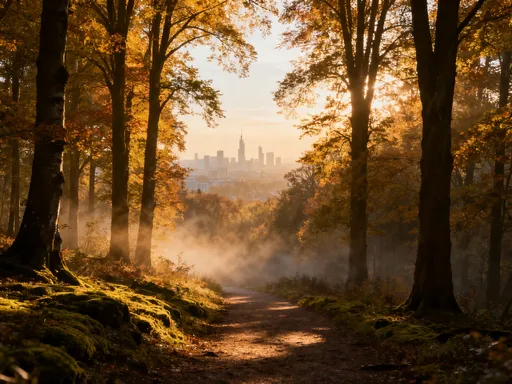
When most people think of Frankfurt, images of glass towers and stock tickers come to mind. Yet beneath the polished surface of Germany’s financial capital lies a surprisingly wild soul. Nearly 52 percent of Frankfurt’s total municipal area is composed of forests, parks, rivers, and protected green zones. This isn’t just landscaping—it’s a deliberate commitment to urban-nature harmony, one that transforms the city into a sanctuary for both residents and visitors. The Frankfurt City Forest, or Stadtwald, stretches across almost 2,000 hectares, forming a green lung that filters air, cools the urban heat, and invites quiet contemplation just steps from bustling neighborhoods.
What makes Frankfurt exceptional is not merely the presence of green space, but how seamlessly it’s woven into daily life. Unlike cities where parks are afterthoughts, Frankfurt’s urban planning has long prioritized accessibility to nature. From the early 20th century, city planners set aside large swaths of land to remain untouched by development, ensuring that future generations would inherit breathing room amid concrete. Today, this vision manifests in a network of green corridors connecting residential areas to woodlands, rivers, and hills. Families walk to forest clearings for weekend picnics; office workers unwind beneath ancient oaks during lunch breaks. This integration of wildness into urban rhythm makes Frankfurt not just livable, but deeply restorative.
The city’s commitment extends beyond preservation to active stewardship. Over 40 nature conservation areas are maintained within city limits, protecting native species from deer to rare orchids. Local environmental groups partner with the city to restore wetlands, plant native trees, and monitor biodiversity. For travelers, this means encountering nature not as a curated exhibit, but as a living, evolving system. Whether you’re spotting kingfishers along a quiet stream or hearing woodpeckers echo through dense beech groves, the experience feels authentic—untamed and unscripted. Frankfurt proves that economic power and ecological sensitivity can coexist, offering a model for cities worldwide.
The Main River: A Lifeline Through the City
The River Main is more than a geographic feature—it’s the city’s green spine. Flowing east to west, it carves through Frankfurt with quiet grace, offering a ribbon of calm in the urban rush. Along its banks, a mosaic of public spaces unfolds: sandy beaches, grassy meadows, shaded promenades, and quiet coves perfect for reflection. In summer, locals flock to designated swimming zones like Niddastrand, where children splash in shallow waters while adults lounge on towels under the sun. The river isn’t just scenic; it’s functional, serving as a recreational corridor accessible to all.
One of the most popular stretches runs from Schwanheim in the west to Offenbach in the east, where well-maintained paths invite walking, jogging, and cycling. The Hafenpark, located near the old port area, exemplifies how industrial zones have been transformed into green leisure hubs. Once a working harbor, it now features open lawns, modern art installations, and riverfront seating where people gather with books, coffee, or simply the pleasure of watching boats drift by. Along the way, small kiosks offer refreshments, and public restrooms ensure comfort for families and seniors alike.
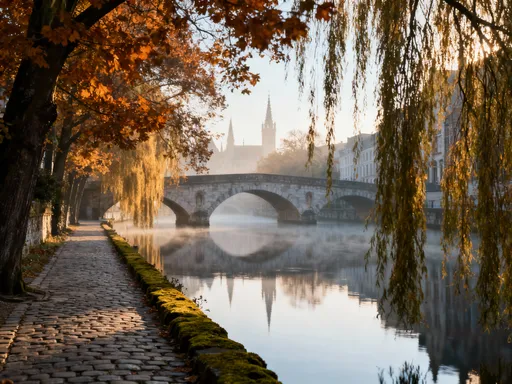
Seasonal shifts bring new rhythms to the river’s edge. In spring, kayakers and stand-up paddleboarders glide across the calm waters, launching from public access points with ease. By autumn, the trees lining the banks ignite in gold and crimson, casting mirror-like reflections on the surface. Even in winter, the river remains a destination—crisp morning walks along frost-kissed paths offer solitude and clarity. For visitors, following the Main is the simplest way to experience Frankfurt like a local. No tickets, no reservations—just the freedom to wander, pause, and breathe.
Practical access enhances the river’s appeal. Signage is clear and multilingual, with maps showing distances, points of interest, and public transport links. Benches and shaded areas are spaced regularly, making the journey comfortable for all ages. And because the path is largely flat, it’s ideal for strollers, wheelchairs, and casual cyclists. Whether you spend an hour or a full day tracing the river’s flow, the Main offers a gentle reminder that nature doesn’t have to be far away to feel transformative.
Exploring the Taunus: Where the City Meets the Hills
Just a short journey north of Frankfurt lies the Taunus mountain range, a region of rolling hills, dense woodlands, and sweeping vistas. This low mountain range forms a natural border between the Rhine-Main plain and the Lahn Valley, offering a dramatic contrast to the city’s skyline. What makes the Taunus remarkable is its accessibility—via S-Bahn and regional trains, hikers and nature lovers can reach trailheads like Kleiner Feldberg or Altkönig within 45 minutes. For those without a car, this ease of access turns a daydream into a realizable escape.
The Taunus boasts a network of over 1,000 kilometers of marked trails, catering to every level of outdoor enthusiast. Families enjoy the gentle slopes of the Römerweg, a path dotted with informational plaques about Roman history and native plants. More experienced hikers tackle the ascent to Altkönig, where the ruins of a Celtic fort crown the summit, offering panoramic views across the Rhine Valley. Kleiner Feldberg, the highest peak in the range at 825 meters, features a mix of forested paths and open meadows, with seasonal wildflowers painting the landscape in spring and early summer.
Biodiversity thrives in the Taunus. Ancient beech and oak forests shelter roe deer, wild boar, and over 120 bird species. Protected zones like the Feldberg Nature Reserve limit human impact, allowing ecosystems to flourish. In autumn, the region becomes a visual spectacle—hillside after hillside turns to fire as leaves shift from green to amber, russet, and gold. Local conservation groups organize guided forest walks during this season, educating visitors about tree species, soil health, and the importance of preserving these woodlands for future generations.
For families, the Taunus offers more than just hiking. Nature playgrounds with wooden climbing structures, rope bridges, and sensory trails engage children while teaching respect for the environment. Picnic areas with grills and sheltered tables make it easy to spend a full day outdoors. And because many trails connect to villages with cafes and bakeries, a hike can naturally extend into a cultural experience—ending with fresh apple strudel and herbal tea in a centuries-old inn. The Taunus doesn’t just offer escape; it invites immersion.
The Lohrberg Vineyard: Urban Wine and Wild Nature
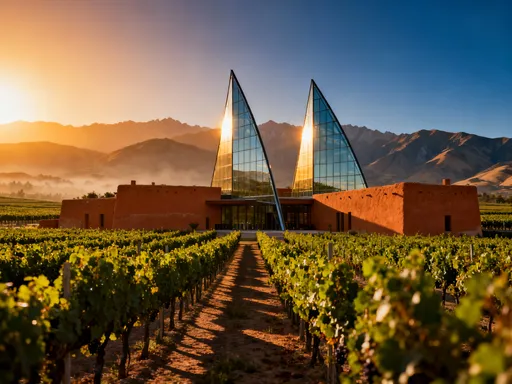
Nestled in the Sachsenhausen district, Lohrberg Vineyard is a rare gem—one of the last working vineyards within any European city’s official boundaries. Spanning just 5 hectares, it may be small, but its significance is profound. Cultivated since the 13th century, Lohrberg represents a living link between agriculture and urban life. What sets it apart is not just its historical continuity, but its ecological integration. Terraced vine rows climb the southern slope, while surrounding oak forests and wildflower meadows support pollinators and native species.
Visitors can reach Lohrberg via a scenic footpath from the city center, winding through residential streets before emerging into open vineyard views. The trail itself is part of the experience—well-marked and gently graded, it’s suitable for older adults and children. Informational panels along the way explain the vineyard’s history, grape varieties like Riesling and Spätburgunder (Pinot Noir), and sustainable farming practices. While wine tasting is available at harvest time through local cooperatives, the focus remains on education and preservation rather than promotion of alcohol.
Lohrberg is protected as a cultural and natural monument, ensuring that it will never be developed. This status reflects Frankfurt’s broader philosophy: that urban spaces can sustain both human tradition and ecological balance. The vineyard’s microclimate—sheltered by hills and warmed by the Main River—creates ideal growing conditions, but also supports a unique ecosystem. Butterflies, bees, and birds thrive in the mosaic of cultivated and wild areas. Seasonal events, such as guided nature walks and grape harvest participation, allow residents and tourists to engage with the land in meaningful ways.
For families, Lohrberg offers a peaceful outing with educational value. Children learn about plant cycles, soil health, and the seasons through hands-on activities. Parents appreciate the tranquility and the chance to teach sustainability in a real-world setting. The vineyard’s small size makes it manageable for a two-hour visit, yet its impact lingers—a reminder that even in a modern city, centuries-old traditions can flourish alongside nature.
Grüneburgpark and the City’s Hidden Gardens
While the Stadtwald and Taunus capture attention, Frankfurt’s smaller green spaces hold their own quiet magic. Grüneburgpark, located in the Westend district, is one such haven. Once part of a private estate, it was donated to the city in the late 19th century and has since evolved into a beloved public park. Towering chestnut and plane trees form a canopy that filters sunlight into dappled patterns on winding paths. Ducks glide across quiet ponds, and songbirds fill the air with morning melodies. Benches tucked beneath trees invite reading, sketching, or simply watching the world slow down.
Grüneburgpark is more than ornamental—it functions as an urban ecosystem. Its diverse tree species support insects and birds, while the ponds host frogs and dragonflies. Birdwatchers frequent the park, especially during migration seasons, when warblers and flycatchers pause here on their journeys. The park also houses the Senckenberg Museum’s research gardens, where scientists study plant adaptation and pollination. This blend of recreation and science underscores Frankfurt’s commitment to making nature both accessible and meaningful.
Other hidden green oases dot the city. The Palmengarten, one of Germany’s oldest botanical gardens, includes zones dedicated to native Rhine-Main flora, allowing visitors to discover local plants often overlooked in favor of exotic species. The former railway line between Seckbach and Nieder-Erlenbach has been transformed into a nature trail, where wildflowers bloom between old tracks and birds nest in abandoned signal boxes. Even cemeteries like the Hauptfriedhof serve as green sanctuaries, with ancient trees and quiet paths offering solitude in the heart of the city.
These spaces matter because they are within walking distance of homes and workplaces. They don’t require a day trip or special planning—just a willingness to step outside and look closely. For families, they provide safe, stimulating environments for children to explore nature. For older adults, they offer gentle terrain for daily walks. And for everyone, they serve as reminders that beauty and calm are never far away, even in a bustling metropolis.
Practical Exploration: Getting There Without a Car
One of the most empowering aspects of Frankfurt’s green spaces is their accessibility via public transportation. The city’s S-Bahn network radiates outward like spokes, connecting downtown to forest edges, riverbanks, and mountain trails. With a single ticket, travelers can reach destinations like the Taunus foothills, the Main riverfront, or Lohrberg Vineyard without ever needing a rental car. This car-free accessibility makes nature exploration inclusive, affordable, and stress-free.
For example, taking the S1 or S2 line north delivers passengers to stations like Rehbach or Höchst, both of which open directly onto forest trails. From Höchst, a 10-minute walk leads to the Main River path, where cyclists can rent bikes from the city’s Call a Bike program. The S8 and S9 lines head east toward Offenbach, stopping near Hafenpark and other riverfront destinations. Meanwhile, bus lines like the 50 and 69 connect central districts to Grüneburgpark and the Palmengarten, ensuring that even those with limited mobility can enjoy green time.
Travel times are consistently short. From Frankfurt Hauptbahnhof (central station), the journey to a forest trailhead rarely exceeds 30 minutes. To reach Kleiner Feldberg, it’s about 45 minutes by S-Bahn and a short bus ride. Bike-sharing stations are strategically placed at train stops, allowing seamless transitions between transit modes. For families, this means no parking hassles, no fuel costs, and no navigating narrow mountain roads. Instead, the adventure begins the moment you step off the train.
Packing smart enhances the experience. Lightweight backpacks with water bottles, snacks, and a foldable rain jacket are sufficient for most outings. Many trails have maps and rest areas, but downloading offline maps or using the RMV (Rhine-Main Transport Association) app ensures confidence in navigation. And because Frankfurt’s public restrooms are clean and well-maintained, even full-day trips remain comfortable. The message is clear: you don’t need special gear or a vehicle to connect with nature. You just need curiosity and a train ticket.
Why This Matters: The Soul of Sustainable City Travel
In an era of overcrowded landmarks and carbon-heavy tourism, Frankfurt’s green identity offers a refreshing alternative. It reminds us that travel doesn’t have to mean flying far or queuing for tickets. True enrichment often lies in slowing down, stepping off the beaten path, and rediscovering the natural world just beyond the city’s edge. Frankfurt’s integration of forests, rivers, and parks into everyday life isn’t just convenient—it’s revolutionary. It redefines what a modern city can be: not a conqueror of nature, but a guardian of it.
The emotional benefits are profound. Time spent in green spaces reduces stress, improves mood, and fosters connection—with oneself, with family, with the rhythm of the seasons. For mothers and caregivers, who often prioritize others’ needs, these quiet moments in nature offer rare replenishment. A walk through the Stadtwald, a picnic by the Main, a family hike in the Taunus—these are not luxuries, but necessities for well-being. And because they’re accessible to all, regardless of income or background, they embody equity in action.
Environmentally, Frankfurt’s model demonstrates how cities can mitigate climate change through green infrastructure. Urban forests sequester carbon, reduce heat island effects, and support biodiversity. Rivers managed as public spaces encourage stewardship rather than exploitation. When travelers choose to explore these areas, they participate in a quiet revolution—one that values preservation over profit, access over exclusivity, and balance over excess.
So the next time you plan a trip, consider looking beyond the postcard sights. Let Frankfurt inspire you to seek the wild within the urban, the calm within the chaos. Bring your walking shoes, your curiosity, and your sense of wonder. Because cities don’t have to be gray to be great. Some, like Frankfurt, wear their green hearts proudly—and in doing so, show us a more sustainable, soulful way to travel.