Shutterbugs, This Is Where Light Meets Legend
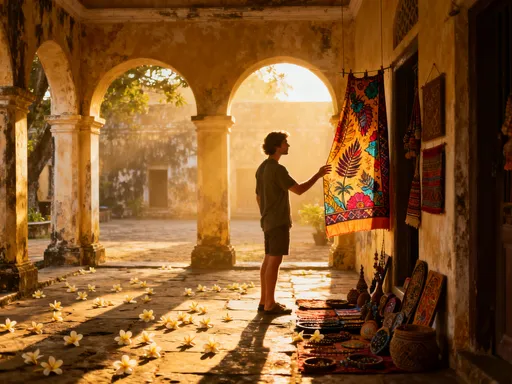
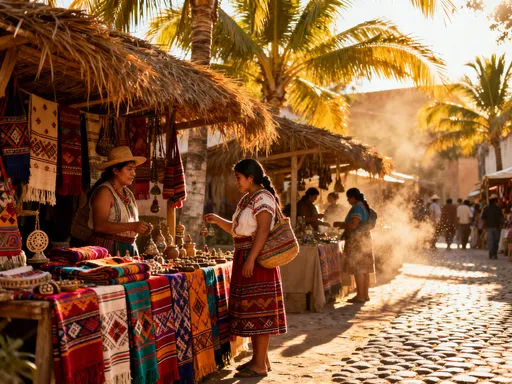
Walking into the commercial zones around Chichen Itza, I didn’t expect to find such vibrant energy beyond the ancient stones. Vendors, colors, textures—it’s a photographer’s dream come alive. The interplay of culture, commerce, and golden-hour light creates frames you can’t stage. This isn’t just sightseeing; it’s storytelling through your lens. And honestly? The real magic isn’t just inside the ruins—it’s all around them. The market stalls, family-run eateries, and artisans at work offer a living narrative that complements the silence of the pyramids. For photographers seeking authenticity, this is where heritage breathes, where every shadow and smile carries history, and where light doesn’t just illuminate—it reveals.
Beyond the Ruins: Discovering Chichen Itza’s Living Perimeter
Most travelers arrive at Chichen Itza with one image in mind: the grand pyramid of El Castillo rising from the Yucatán jungle. While the archaeological site is undeniably majestic, the true pulse of the region beats just beyond the ticket booths and tour groups. The commercial zones surrounding the ruins are not afterthoughts—they are cultural extensions of the same living heritage that built the stone temples. These markets, shaped by generations of Maya and mestizo families, thrive on tradition, craftsmanship, and the rhythm of daily life. Here, photography transforms from documentation into discovery. Instead of capturing static monuments, you witness dynamic human moments: a vendor arranging handwoven rebozos under a palm-thatch roof, a grandmother stirring a pot of simmering atole, children balancing trays of colorful candies on their heads. These scenes unfold organically, offering unscripted authenticity that no guided tour can replicate.
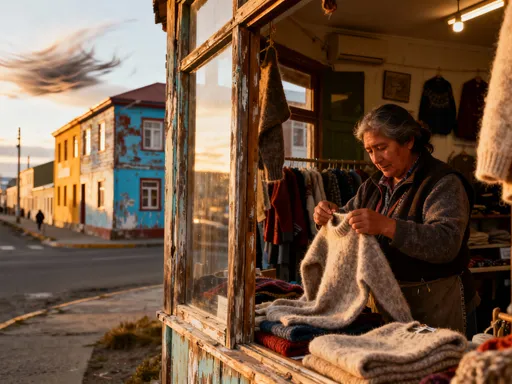
The proximity to one of the New Seven Wonders of the World ensures a steady flow of visitors, but the market’s heart remains rooted in local life. Many vendors commute from nearby villages like Pisté or Yaxunah, bringing with them ancestral knowledge and family recipes. Their stalls aren’t tourist traps—they are livelihoods passed down through decades. A woman selling traditional huipiles might explain that each embroidered motif represents a natural element—rain, corn, or the ceiba tree—symbols sacred to her ancestors. This depth of meaning adds layers to every photograph, turning a simple portrait into a visual conversation across time. For the mindful photographer, these spaces are not just backdrops but collaborators in storytelling.
What makes these peripheral zones so compelling is their duality: they exist to serve tourism, yet resist being consumed by it. You’ll see bilingual signs, but also hear Yucatec Maya spoken between vendors. Cash exchanges happen in pesos, but the currency of trust and respect runs deeper. Photographers who take the time to observe, listen, and engage often find that the most powerful images come not from the center of the frame, but from the edges—where culture resists simplification. By stepping beyond the ruins, you don’t leave history behind; you step into its ongoing chapter.
The Rhythm of the Market: Timing Your Shots for Maximum Impact
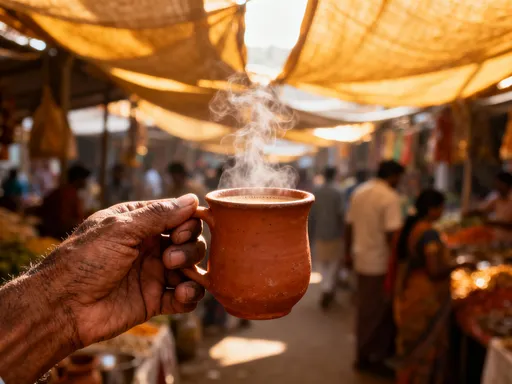
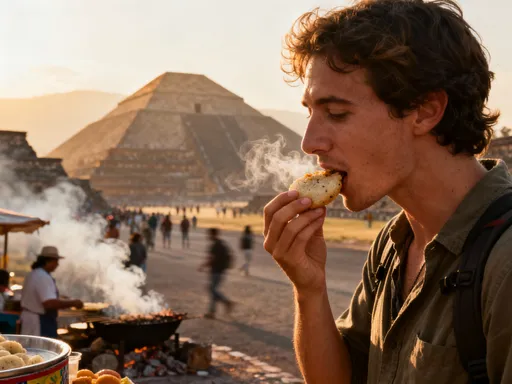
Photography at Chichen Itza’s markets is as much about timing as it is about technique. The day unfolds in distinct visual phases, each offering unique opportunities for compelling imagery. Early morning, just after sunrise, is perhaps the most rewarding. The light is soft and golden, casting long, delicate shadows across the dirt paths between stalls. Tour buses haven’t arrived yet, and the market is still waking up. This is the hour for intimate shots: a vendor lighting a charcoal grill, steam rising from a pot of fresh tortillas, the quiet concentration of a craftsman polishing a wooden mask. With fewer people around, you can move freely, composing carefully without disrupting the flow.
By midday, the scene shifts dramatically. The sun climbs high, creating harsh contrasts and intense highlights. While this light can be challenging, it also reveals texture in striking ways. Sunlight slices through gaps in the market awnings, illuminating dust motes and the weave of hand-dyed fabric. This is the time to seek shade and look for pockets of diffused light—under a thatched roof, beside a stack of woven baskets, or inside a small family-run café. Use the strong shadows to your advantage: frame a vendor’s face half in darkness, or capture the silhouette of a hand reaching for a jar of achiote. The heat slows movement, creating moments of stillness amidst the bustle—perfect for portraits of resting artisans or children napping in hammocks.
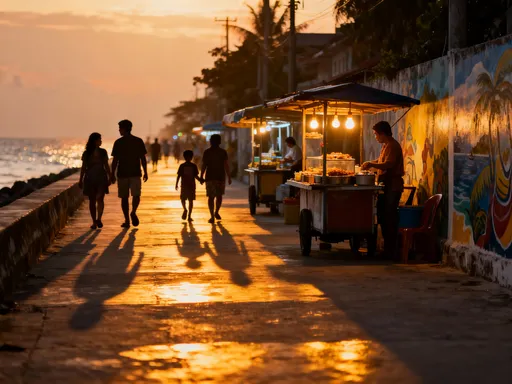
As afternoon turns to evening, the golden hour returns with a vengeance. The western-facing stalls glow in warm, amber light, and the market regains its energy. Families arrive, locals shop for dinner ingredients, and children dart between stalls with laughter. This is prime time for dynamic street photography. The angled light enhances depth, turning simple market aisles into dramatic corridors. Silhouettes of vendors arranging merchandise against the sunset create powerful compositions. If you’re patient, you might catch a ritual moment—a brief prayer at a small roadside shrine, or an elder sharing a story with a grandchild. These fleeting instances, when captured with sensitivity, become the emotional anchors of your visual narrative.
Framing Culture: Composition Tips in High-Activity Zones
Markets are inherently chaotic, and the challenge for photographers lies in finding clarity within the clutter. The key is not to avoid the chaos but to use it purposefully. Instead of trying to capture everything, focus on isolating moments of quiet significance. A close-up of hands shaping corn dough into tortillas, the intricate patterns on a hand-painted plate, or the reflection of a market canopy in a vendor’s sunglasses—these details tell stories that wide shots often miss. Use selective focus to draw attention: a wide aperture like f/2.8 blurs the background while keeping the subject sharp, turning a busy scene into a personal portrait.
Color plays a dominant role in these markets, and understanding how to manage it is essential. Vibrant hues—crimson textiles, turquoise pottery, sun-yellow hammocks—can overwhelm if not balanced. Adjust your white balance to reflect the natural warmth of the Yucatán light, preserving the authenticity of skin tones and materials. Avoid oversaturating in post-processing; the real world here is colorful enough. Look for complementary colors: a green huipil against a red wall, or a blue basket beside golden corn. These contrasts create visual harmony without staging.
Composition techniques like leading lines and framing devices work exceptionally well in market environments. A row of hanging hammocks can guide the viewer’s eye toward a distant vendor. Stacked crates or market shelves form natural frames around human subjects. Even the architecture of the stalls—angled roofs, wooden beams, fabric drapes—can serve as compositional elements. Move slowly, shoot from different angles—kneel to capture a child’s perspective, or step back to include environmental context. Most importantly, be aware of your presence. Avoid blocking pathways or forcing interactions. The best photographs often come when you’re patient, unobtrusive, and ready to click at the moment the scene reveals itself.
The Human Element: Connecting with Local Vendors Through the Lens
No photograph of Chichen Itza’s markets is complete without the people who bring them to life. Behind every stall is a story—of family, tradition, resilience, and pride. A woman selling chaya tamales might share that her recipe has been in her family for five generations. A woodcarver could explain that the jaguar figures he sculpts represent spiritual guardians in Maya cosmology. These narratives transform images from mere snapshots into visual journalism. When you photograph with curiosity and respect, you’re not just taking a picture—you’re preserving a legacy.
Language is a bridge. Even basic Spanish phrases like “¿Puedo tomar una foto?” or “Gracias, muy bonito” go a long way in building rapport. A smile, a nod, a moment of shared laughter—these small gestures open doors. Many vendors are happy to be photographed, especially if they feel respected. Some may even invite you to see how they prepare their goods—grinding spices by hand, weaving palm fronds into hats, or mixing natural dyes from local plants. These behind-the-scenes moments are gold for storytelling photography, offering depth and intimacy that staged shots can never replicate.
Consent is not just an ethical requirement—it’s a creative opportunity. When someone agrees to be photographed, there’s often a shift in their posture, a spark in their eyes. They may adjust their shawl, straighten their hat, or offer a proud smile. These are not poses; they are expressions of dignity. Capturing that moment—the instant someone sees themselves through your lens—is one of the most powerful experiences in documentary photography. Always honor that trust. If possible, return the image—share it on social media with proper credit, or print a copy to give in person. Many vendors cherish seeing how their world appears through another’s eyes.
Gear That Works: Practical Photography Tools for Tropical Climates
The Yucatán Peninsula is beautiful, but its climate is tough on photography equipment. High temperatures, intense sunlight, and humidity levels often above 80% demand careful gear selection. A lightweight mirrorless camera with weather sealing is ideal—compact enough for long walks, durable enough to withstand dust and occasional rain showers. DSLRs can work, but their bulk becomes a liability in crowded markets and under the midday sun. Prime lenses, particularly 35mm and 50mm, offer superior low-light performance and shallow depth of field, perfect for isolating subjects in busy environments.
Batteries drain faster in heat, so carry at least two spares, preferably kept in a shaded pocket. Memory cards should be high-speed and high-capacity—shoot in RAW format to preserve detail for post-processing, but ensure you have enough storage for a full day of shooting. A compact travel tripod or monopod can be invaluable for low-light shots of intricate crafts or long-exposure details, but avoid anything too bulky that might obstruct others. A small beanbag can serve as a stable rest on uneven surfaces like wooden carts or stone walls.
Protection is non-negotiable. A UV filter shields your lens from sand, dust, and accidental scratches. A microfiber cloth should be within reach at all times to wipe away sweat or humidity fog. A padded sling bag allows quick access while keeping gear secure in tight spaces. Avoid using flash—both for aesthetic and cultural reasons. Flash flattens textures, disrupts natural ambiance, and can be seen as intrusive or disrespectful. The Yucatán’s light is generous; learn to work with it. Diffused sunlight under palm-thatch roofs, dappled shade from trees, and the warm glow of late afternoon—these are your tools. Master them, and your images will reflect not just what you saw, but how it felt.
From Click to Story: Curating a Cohesive Visual Narrative
A powerful photo series does more than display pretty images—it tells a journey. When photographing Chichen Itza’s markets, think beyond individual shots and consider the arc of your story. Begin with a wide establishing shot: the market entrance at dawn, mist rising between stalls. Then move closer: a medium shot of a vendor arranging fruit, a close-up of hands weaving palm leaves, a portrait of an elder with deep-set eyes and a quiet smile. Include moments of action and stillness, commerce and community. End with a symbolic image—a child walking toward the distant pyramid, a shadow stretching across a cobblestone path, a single lit candle at dusk. This progression mirrors the visitor’s experience: from observer to participant, from outsider to witness.
Post-processing should enhance, not invent. Slight adjustments in contrast, clarity, and white balance can bring out the richness of the scene, but avoid heavy filters or artificial effects. Skin tones should remain natural, colors true to life. The goal is not perfection, but authenticity. When selecting images for a final edit, be ruthless. Choose only the 10 to 15 most compelling shots that advance the narrative. Too many images dilute the impact. A strong series leaves the viewer not overwhelmed, but moved.
Consider how you’ll share your work. A printed photo book, a curated Instagram gallery, or a presentation for friends—each format shapes the story differently. Caption your images with care. Instead of generic titles like “Market Vendor,” try “Doña María, 68, selling handmade tortillas since 1975.” Names, ages, quotes—these details honor the subjects and deepen the connection. Your photography becomes not just a collection of moments, but a tribute to living culture.
Ethical Photography: Respecting Culture While Capturing It
Photographing people is a privilege, not a right. In spaces where tourism intersects with daily life, the line between observation and intrusion can blur. The first rule is simple: observe before you shoot. Watch how people move, how they interact, how they respond to attention. If someone turns away, lowers their eyes, or covers their face, respect that boundary. Do not chase, do not insist. Consent is not just about permission—it’s about presence, about mutual recognition.
Children require special care. Always seek permission from a parent or guardian before photographing a minor. Avoid images that could be seen as exploitative—barefoot kids in ragged clothes, forced smiles, staged poverty. Instead, focus on dignity: a girl in a school uniform reading under a tree, a boy proudly showing his handmade kite. These moments reflect reality without reducing it to a stereotype.
Avoid exoticizing your subjects. These are not “primitive” people or “colorful natives”—they are individuals with names, histories, and agency. Your lens should highlight skill, pride, and resilience, not difference for the sake of spectacle. Never use photographs as bargaining chips—“I’ll take your picture if you lower the price”—as this undermines both the cultural and economic value of their work. If you sell or publish images, consider fair compensation or proper attribution. Many organizations now advocate for ethical photo credits, especially when images represent Indigenous communities.
Finally, remember that photography is a form of legacy. The images you create today may be the only visual record of a tradition, a face, a way of life that changes tomorrow. Approach your craft with humility, with gratitude, with care. When you do, your photographs won’t just capture light—they’ll carry meaning.
Where Heritage Meets the Lens
The commercial zones around Chichen Itza are not add-ons to the main attraction—they are the attraction’s living soul. While the pyramids speak of a distant past, the markets speak of the present, of continuity, of culture in motion. When you raise your camera here, you’re not just documenting tourism; you’re participating in a centuries-old exchange. The best photographs don’t shout for attention—they invite quiet reflection. They ask viewers to look closely, to see the hands that weave, the eyes that remember, the light that connects us all.
So the next time you visit Chichen Itza, let your lens wander beyond the stones. Step into the market, slow your pace, and listen with your eyes. Let the colors, the rhythms, the stories guide your shutter. Capture not just what you see, but what you feel. Because in the end, the most enduring images are not of monuments, but of people—of the living, breathing, creating spirit that turns history into home. When you photograph with intention, you don’t just take a picture. You pass on a legacy.