You Won’t Believe What I Found Along Italy’s Amalfi Coast
The Amalfi Coast isn’t just postcard views and lemon-scented breezes—there’s a deeper magic hidden in its cliffs, coves, and coastal trails. I went searching for the raw, untouched side of this UNESCO site and stumbled upon natural wonders I never expected. From secret swimming spots to wildflower-covered paths with heart-stopping views, the real beauty lies beyond the crowds. This is not just a vacation—it’s a discovery of nature’s quiet brilliance.
The First Glimpse: Arrival in the Amalfi Coast
Approaching the Amalfi Coast for the first time is an experience that lingers in the memory long after the journey ends. Whether arriving by ferry gliding across the Tyrrhenian Sea or navigating the serpentine coastal roads carved into sheer cliffs, the landscape unfolds like a living painting. The dramatic rise of limestone mountains from the turquoise water, cloaked in deep green vegetation and dotted with pastel-colored villages, creates a sense of awe that few Mediterranean destinations can match. The coastline stretches over 50 kilometers between Sorrento and Salerno, yet every curve reveals something new—a hidden inlet, a cluster of bougainvillea spilling over a stone wall, or a distant church bell echoing over the waves.
While towns like Positano, Amalfi, and Ravello draw thousands each year with their charm and history, the true essence of this region reveals itself in the quieter spaces between them. Beyond the postcard-perfect piazzas and boutique-lined alleys, there are stretches of coastline untouched by mass tourism—where the only sounds are the rustle of olive trees and the distant crash of waves against rock. These areas remain protected, in part due to the rugged terrain that limits large-scale development and, in part, due to growing awareness of the need to preserve the coast’s delicate balance.
What sets the Amalfi Coast apart from other coastal escapes is not just its beauty, but its unique geological and ecological makeup. Formed by millennia of tectonic activity and coastal erosion, the region features steep terraced hillsides that have been cultivated for centuries. These terraces, originally built to grow lemons and grapes, now also serve as natural barriers against landslides and soil erosion. The combination of Mediterranean climate, rich volcanic soil, and centuries of sustainable land use has created a biodiverse environment where wild herbs, citrus groves, and native flora thrive side by side. It’s this harmony between nature and human stewardship that makes the Amalfi Coast not only visually stunning but ecologically significant.
Beyond the Postcard: Discovering Hidden Coves and Beaches
While most visitors flock to the well-known beaches of Positano or Amalfi town, some of the most breathtaking experiences await those willing to venture off the beaten path. Nestled between towering cliffs and accessible only by foot, kayak, or small local boats, hidden coves offer a more intimate connection with the sea. One such gem is Marina di Praia, a small pebble beach tucked beneath the village of Praiano. Surrounded by cliffs on three sides, this secluded inlet provides a sense of privacy and tranquility rarely found in more popular spots. The water here is exceptionally clear, revealing schools of silvery fish darting between submerged rocks, and the surrounding cliffs are streaked with layers of sediment that tell the story of ancient geological shifts.
For those seeking even greater solitude, kayaking along the coastline offers unparalleled access to sea caves and rocky grottos invisible from land. Paddling quietly through these natural archways, with sunlight filtering through the water and illuminating the cavern walls in shades of gold and blue, feels like stepping into another world. Some of these caves, like the Grotta del Fornillo near Positano, are small enough to explore only by hand-powered craft, preserving their untouched quality. Others, such as the larger grottoes near Conca dei Marini, can be reached by guided tours that operate with minimal environmental impact.
Timing and preparation are essential for making the most of these hidden beaches. Early mornings are ideal—before tour groups arrive and while the light is soft and golden. Wearing water-resistant shoes with good grip is crucial, as many access points involve descending steep stone steps or walking across slippery rocks. Local boat services, often run by fishermen with generations of coastal knowledge, provide reliable and eco-friendly transport to remote coves. These small operators typically limit passenger numbers and avoid anchoring in sensitive marine areas, helping to protect the fragile ecosystem. By choosing low-impact transportation and visiting during shoulder seasons—late spring or early autumn—travelers can enjoy the coast’s natural beauty without contributing to overcrowding.
Pathways Through Nature: Hiking the Sentiero degli Dei (Path of the Gods)
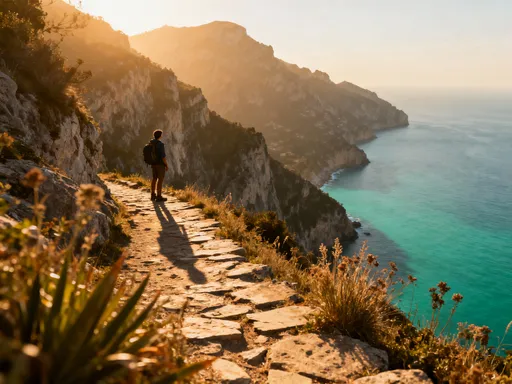
Among the most celebrated ways to experience the Amalfi Coast’s natural grandeur is hiking the Sentiero degli Dei, or the Path of the Gods. This ancient trail, originally used by shepherds and villagers to move between mountain communities, now offers one of the most breathtaking walks in the Mediterranean. Stretching approximately 7.5 kilometers from Bomerano to Nocelle, the path clings to the edge of steep cliffs, offering uninterrupted views of the sea far below and the islands of Capri and Li Galli shimmering on the horizon. The name is no exaggeration—walking this trail truly feels like moving through a realm above the world, where the air is crisp and the silence is broken only by the wind and the occasional call of a kestrel overhead.
The terrain varies from wide stone-paved sections to narrow pathways flanked by wild herbs and flowering shrubs. Rosemary, thyme, and lavender grow abundantly along the route, releasing their fragrance with every step. In spring, the hillsides explode with color—purple iris, yellow broom, and delicate rock jasmine blanket the slopes, attracting bees and butterflies. The panoramic vistas change constantly: one moment you’re gazing down at the terraced vineyards of Nocelle, the next you’re looking across to the dramatic silhouette of Monte Solaro on Capri. Each bend in the trail offers a new perspective, a new reason to pause and absorb the scale of the landscape.
To fully enjoy the hike, proper preparation is key. Sturdy hiking shoes with good traction are essential, as some sections can be uneven or slippery, especially after rain. Carrying water, sun protection, and a light snack ensures comfort during the two- to three-hour journey. While the trail is well-marked and suitable for moderately fit travelers, it’s best tackled early in the morning to avoid both the midday heat and the crowds. Starting at dawn allows hikers to walk in near solitude, with the rising sun casting long shadows across the valleys and illuminating the sea in soft pinks and golds. Many choose to begin in Bomerano and end in Nocelle, where they can descend into Positano by foot or take a local bus, completing a loop that blends natural beauty with cultural immersion.
The Power of the Coast’s Geology: Cliffs, Caves, and Sea Formations
The dramatic scenery of the Amalfi Coast is the result of powerful geological forces that have shaped the region over millions of years. Rising abruptly from the sea, the limestone and sandstone cliffs are evidence of tectonic uplift and coastal erosion, processes that continue to mold the landscape today. These towering formations, some reaching over 1,000 meters in height, were formed during the Alpine orogeny, a mountain-building event that also created the Apennines. Over time, the relentless action of wind, rain, and seawater has carved deep gorges, natural arches, and hidden sea caves into the rock, creating a coastline that is as dynamic as it is beautiful.
One of the most striking examples of this geological artistry is the Arco Naturale on the island of Capri. This massive limestone arch, sculpted by centuries of wave action, stands as a testament to the power of nature’s slow but persistent work. From the sea, it appears almost surreal—a perfect curve of stone suspended over the water, framed by deep blue sky. While Capri itself is a popular destination, the natural formations surrounding it remind visitors of the wild origins of this region. Other volcanic features, such as the submerged reefs and underwater lava flows visible during boat tours, hint at the area’s complex geological history, including ancient volcanic activity that contributed to the fertility of the soil.
These formations are not just visually impressive—they play a crucial role in the local ecosystem. Sea caves provide shelter for marine life, including octopuses, groupers, and rare species of crustaceans. The cliffs support specialized plant communities adapted to dry, rocky conditions, such as the Amalfi wallflower and the coastal asparagus. Even the color of the water—ranging from emerald green to deep sapphire—results from the interplay of sunlight, mineral content, and underwater topography. Understanding the geology of the coast adds depth to the travel experience, transforming a simple sightseeing trip into a journey through Earth’s history. It also underscores the importance of preservation, as these fragile formations are vulnerable to both natural erosion and human impact.
Flora and Fragrance: The Wild Gardens of the Amalfi Hills
While the cliffs and sea dominate the visual landscape, the true soul of the Amalfi Coast’s natural beauty lies in its rich and aromatic flora. The hillsides are a patchwork of cultivated terraces and wild vegetation, where human care and natural abundance coexist in delicate balance. Terraced lemon groves, protected by traditional lattice canopies known as *veli*, produce the famous sfusato amalfitano lemons—large, fragrant citrus fruits essential to local cuisine and limoncello production. These groves are not only productive but also visually stunning, with their glossy green leaves and golden fruit glowing in the sunlight.
Equally striking are the bursts of color that spill over stone walls and cascade down slopes: bougainvillea in vivid magenta, hibiscus in soft peach, and wisteria draping from ancient archways in spring. But beyond the cultivated gardens, the wild hillsides teem with native Mediterranean plants. Rosemary and thyme grow in dense patches, releasing their scent with the slightest touch. Wild fennel waves in the breeze, its feathery fronds attracting pollinators, while prickly pear cacti—introduced centuries ago—thrive in the dry, rocky soil, their bright yellow flowers a surprising splash of color in late spring.
The sensory experience of walking through these hills is unforgettable. At dusk, the air fills with the sweet perfume of jasmine and honeysuckle, carried on the sea breeze. The hum of bees in the herb fields, the rustle of lizards in the underbrush, and the distant chirp of cicadas create a natural symphony that soothes the mind. Local farmers continue age-old practices of sustainable cultivation, using dry-stone walls to prevent erosion and rotating crops to maintain soil health. Many small producers now emphasize organic methods, avoiding synthetic fertilizers and pesticides to protect both the land and the quality of their harvests. By supporting these local growers—whether through farm visits, tastings, or purchasing their products—visitors contribute to the preservation of this unique agricultural heritage.
Sustainable Discovery: How to Explore Without Harming the Landscape
As one of Italy’s most beloved destinations, the Amalfi Coast faces growing pressure from tourism. The very beauty that draws millions each year is at risk of being diminished by overcrowding, waste, and environmental strain. In recent years, local authorities and community groups have taken steps to promote sustainable tourism, recognizing that long-term preservation depends on responsible travel practices. For visitors, this means making mindful choices that minimize impact while enhancing the quality of the experience.
Staying on marked trails is one of the simplest yet most effective ways to protect the landscape. Unofficial paths, created by hikers seeking shortcuts or better views, can lead to soil erosion and damage to native plants. Wearing appropriate footwear and avoiding off-trail exploration helps preserve the fragile terrain. Similarly, carrying reusable water bottles and avoiding single-use plastics reduces litter and protects marine life. Many towns now offer water refill stations, making it easy to stay hydrated without contributing to plastic waste.
Supporting local conservation efforts is another meaningful step. Several organizations run guided eco-tours that educate visitors about the region’s ecology, from marine protection to reforestation projects. These tours often include beach cleanups, native plant restoration, or citizen science activities, allowing travelers to give back while learning. Choosing accommodations and restaurants that prioritize sustainability—such as those using solar energy, sourcing ingredients locally, or participating in zero-waste programs—also makes a difference. By aligning travel choices with environmental values, visitors become stewards of the landscape rather than passive consumers of its beauty.
Why Natural Wonders Matter: A Deeper Connection to Place
Discovering the hidden natural wonders of the Amalfi Coast does more than create lasting memories—it fosters a deeper emotional and psychological connection to the world. In an age of constant connectivity and fast-paced living, moments of quiet awe—standing on a sunlit ridge, listening to waves crash in a secluded cove, or breathing in the scent of wild thyme—offer a rare form of restoration. These experiences awaken a sense of wonder that is often dulled by routine, reminding us of the beauty and complexity of the natural world.
Research in environmental psychology has shown that spending time in nature reduces stress, improves mood, and enhances overall well-being. The Amalfi Coast, with its dramatic vistas and sensory richness, provides an ideal setting for this kind of renewal. But beyond personal benefit, these encounters cultivate a sense of responsibility. When we witness the fragility of a wildflower clinging to a cliffside or the clarity of water in an untouched cove, we begin to understand the importance of protecting such places. Travel becomes not just about seeing, but about caring.
This shift—from sightseeing to meaningful engagement—is at the heart of slow travel, a philosophy that values depth over speed, connection over consumption. By choosing to explore with curiosity and respect, travelers honor the land and its people. They become part of a larger story—one of preservation, appreciation, and quiet reverence. The Amalfi Coast’s true magic lies not in its fame, but in these intimate, unscripted moments that remind us of our place within the natural world.
The Amalfi Coast’s true charm isn’t just in its fame or glamour—it’s in the quiet moments: a hidden inlet, a sunlit ridge, a breeze heavy with wild thyme. These natural wonders remind us that the best journeys aren’t about checking boxes, but about rediscovering wonder. By stepping beyond the well-worn path, we don’t just see beauty—we become part of its story.