You Won’t Believe These Hidden Photo Spots in Bohol’s Public Spaces
If you think Bohol is just about chocolate hills and tarsiers, think again. I stumbled upon something way more exciting—public spaces hiding jaw-dropping photo spots that locals love but tourists rarely see. From vibrant street art corners to serene seaside plazas, these places are pure magic through a lens. This isn’t just travel—it’s visual storytelling in motion. Ready to see Bohol like never before? Let’s dive into the spots that made my camera roll nonstop.
Beyond the Postcard: Rethinking Bohol’s Most Overlooked Beauty
For decades, Bohol has been celebrated for its natural wonders—the otherworldly Chocolate Hills, the tiny and wide-eyed tarsiers, and the winding beauty of the Loboc River. These landmarks are undeniably breathtaking and deserve their place in every traveler’s album. Yet, in the pursuit of these iconic sights, an entire dimension of Bohol’s charm often goes unnoticed: its public spaces. These urban pockets—plazas, promenades, market lanes, and painted alleys—are where the island’s rhythm truly lives. They offer not just photo opportunities, but intimate glimpses into daily life, community pride, and quiet beauty that postcards can’t capture.
What makes these overlooked areas so compelling is their authenticity. Unlike tourist-centric attractions designed for the camera, public spaces in Bohol evolve organically. A bench by the sea isn’t placed for symmetry; it’s where a grandmother sits to watch her grandchildren play. A painted wall wasn’t commissioned for aesthetics alone—it tells the story of a barangay’s history or a youth group’s dream. When travelers shift their gaze from curated landscapes to these living environments, they don’t just photograph a place—they begin to understand it. This shift enriches the travel experience, transforming sightseeing into meaningful connection.
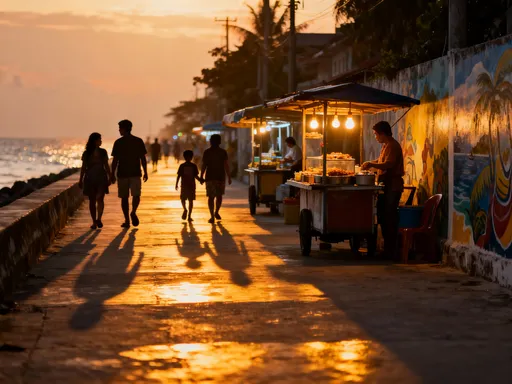
Tagbilaran City, the provincial capital, exemplifies this hidden potential. While most visitors pass through quickly en route to inland attractions, those who pause discover a waterfront alive with movement, color, and light. The city’s Baywalk, often empty on travel brochures, becomes a stage for golden-hour magic when the sun dips below the Cebu Strait. Here, families stroll, fishermen mend nets, and street vendors light their carts, casting warm glows on wet pavement. These moments, fleeting and unposed, are what make urban photography in Bohol so rewarding. They remind us that beauty isn’t always grand—it’s often found in the ordinary, made extraordinary by attention.
The Rise of Public Space Photography: Why Cities Are the New Instagram Backdrops
A quiet revolution is reshaping how people document their travels. No longer satisfied with staged poses in front of monuments, modern travelers are turning their lenses toward everyday environments—city sidewalks, public benches, market stalls, and neighborhood corners. This trend, often called “urban authenticity” in travel photography, reflects a deeper desire: to capture not just where we’ve been, but how it felt to be there. Public spaces, with their mix of architecture, light, and human activity, offer rich textures that curated attractions often lack. They tell stories of resilience, culture, and community in ways that resonate far beyond a single image.
What fuels this shift is a growing appetite for realness. In an age of filters and perfectly lit feeds, there’s a counter-movement toward imperfection—rain-slicked streets, wrinkled market tarps, children laughing mid-sprint across a plaza. These moments feel honest. They don’t require a tripod or professional gear; they demand presence, patience, and respect. Photographing public spaces isn’t about perfection—it’s about connection. And in Bohol, where life unfolds at a gentle pace, this style of photography thrives.
Cities like Tagbilaran, though modest in size, offer everything a visual storyteller needs: contrasts of old and new, light dancing on water, and the warmth of community interaction. A simple walk through a town center can yield a dozen compelling frames—a weathered door with bougainvillea spilling over, a tricycle parked beneath a centuries-old tree, an elder reading the newspaper under a shaded bench. These scenes don’t need explanation; they invite emotion. And for travelers seeking meaningful, shareable content, they provide a refreshing alternative to the predictable.
Moreover, photographing public spaces aligns with sustainable tourism. It encourages slower exploration, reduces pressure on over-visited sites, and supports local economies by drawing attention to everyday businesses and community spaces. When a traveler shares a photo of a local market or a quiet plaza, they’re not just showing a place—they’re amplifying its value. This ripple effect helps preserve cultural identity while offering visitors a richer, more grounded experience.
Street Art & Civic Identity: Where Murals Tell Bohol’s Story
One of the most exciting developments in Bohol’s urban landscape is the rise of community-driven street art. Once overlooked as blank walls or forgotten facades, these surfaces are now vibrant canvases that celebrate local heritage, environmental awareness, and youth expression. In towns like Loboc, Sevilla, and even parts of Tagbilaran, murals have transformed dull corners into open-air galleries. These aren’t commercial projects or tourist gimmicks—they’re heartfelt initiatives led by local artists, schools, and civic groups who see art as a tool for unity and pride.
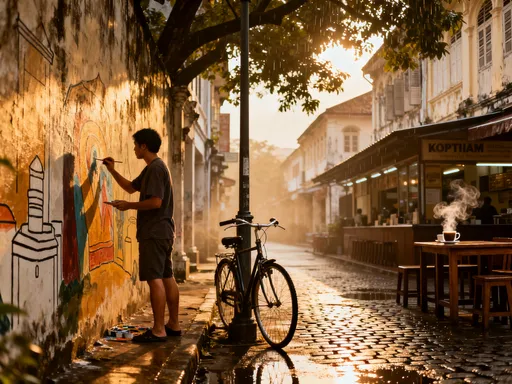
Walking through these neighborhoods feels like flipping through a living storybook. One mural might depict a traditional boat procession on the Loboc River, painted in bold blues and greens. Another could honor Bohol’s resilience after natural disasters, showing hands lifting a phoenix from the rubble. In some areas, children’s drawings are enlarged and painted on walls, capturing dreams of coral reefs, flying tarsiers, and rainbow skies. These images don’t just beautify—they educate, inspire, and preserve memory. For photographers, they offer dynamic backdrops rich with color, symbolism, and emotion.
The visual impact of these murals is undeniable. Under morning light, the pigments glow; in the late afternoon, shadows add depth and drama. Wide-angle shots capture the full narrative, while close-ups highlight brushstrokes and textures—chipped paint, weathered edges, and layers of history. But beyond aesthetics, these spaces invite interaction. Locals pause to take selfies, children point and laugh, and visitors ask questions. A mural becomes a conversation starter, a shared point of pride. Photographers who engage respectfully—smiling, asking permission when people are nearby—often find themselves welcomed into the moment.
What makes Bohol’s street art especially meaningful is its connection to place. Unlike generic graffiti or imported designs, these murals are rooted in local identity. They feature native flora and fauna, traditional weaving patterns, and scenes from fiestas and harvests. Some incorporate the Boholano language, adding a layer of cultural intimacy. For travelers, photographing these walls isn’t just about composition—it’s about honoring the stories behind them. Each image becomes a tribute to community spirit and creative resilience.
Sunset at the Baywalk: A Local’s Favorite Evening Escape
If there’s one public space in Bohol that consistently steals the show at golden hour, it’s the Tagbilaran City Baywalk. Stretching along the shoreline of the Cebu Strait, this seaside promenade is where the city exhales at the end of the day. As the sun begins its descent, the atmosphere shifts—vendors light their grills, families arrive with picnic mats, and couples take slow walks along the railing. The air fills with the scent of grilled seafood, laughter, and the gentle hum of conversation. For photographers, this is prime time. The sky transforms into a canvas of amber, rose, and lavender, reflecting off the water and illuminating faces with a soft, flattering glow.
The Baywalk’s magic lies in its layered composition. In a single frame, you can capture the horizon, the silhouettes of passing boats, the colorful umbrellas of food stalls, and the animated expressions of locals enjoying their evening. Long exposures turn the rippling water into glass, while motion blur adds energy to scenes of children running or street performers dancing. The key is timing. Arriving 45 minutes before sunset allows you to scout angles, adjust settings, and settle into the rhythm of the place. The best vantage points are near the central gazebo or along the extended pier, where unobstructed views meet natural framing from palm trees and railings.
Equally important is the human element. While it’s tempting to focus only on the sky and water, the true heart of the Baywalk is its people. A photo of an elderly couple sharing a halo-halo under a setting sun tells a deeper story than any landscape alone. The challenge—and the reward—lies in capturing these candid moments without intrusion. Using a telephoto lens or shooting from a slight distance preserves authenticity while respecting privacy. A smile, a nod, or a quiet “thank you” goes a long way when someone notices the camera. More often than not, locals respond with warmth, sometimes even striking a playful pose.
For those seeking stillness, the far end of the Baywalk offers quieter corners where the city lights begin to twinkle. Here, long-exposure shots of the water reflecting the skyline create dreamy, painterly effects. A tripod is helpful, but even handheld shots with image stabilization can yield stunning results. Whether you’re a seasoned photographer or using a smartphone, the Baywalk rewards attention. It’s a reminder that the best photo spots aren’t always the most famous—they’re the ones where life unfolds naturally, beautifully, and without script.
Plazas That Breathe History: Framing the Past in Modern Shots
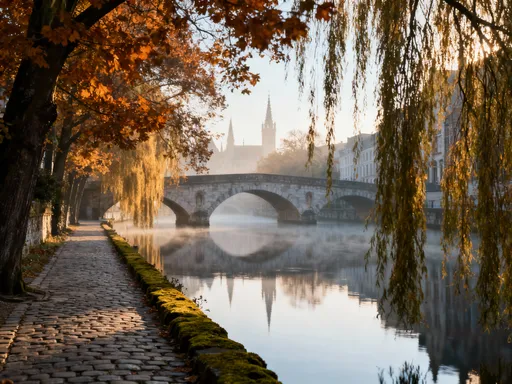
At the heart of nearly every Boholano town lies a plaza—usually centered around a church, shaded by towering acacia or molave trees, and bordered by colonial-era buildings. These spaces are more than relics of the past; they are living social hubs where generations gather for fiestas, Sunday masses, and evening strolls. For photographers, they offer timeless compositions—architectural symmetry, dappled light through leaves, and the quiet dignity of heritage structures. But beyond aesthetics, these plazas invite a deeper kind of seeing: one that honors history while capturing the present.
Take the plaza in Baclayon, home to one of the oldest stone churches in the Philippines. At dawn, the scene is serene—the cobblestone paths still damp, the church façade softly lit by the rising sun. A lone gardener trims hedges, and a few early risers sit on benches with coffee. A wide-angle shot from the center captures the balance of nature and architecture, with the church spire rising above a canopy of green. Later in the day, the plaza comes alive—children play tag, vendors sell buko juice, and tourists pause to read historical markers. These moments, layered with activity, tell the ongoing story of the space.
Photographing plazas requires sensitivity. These are sacred and communal areas, not backdrops for casual posing. When people are praying, attending mass, or participating in rituals, discretion is essential. Using a quiet shutter mode, avoiding flash, and maintaining a respectful distance are basic courtesies. When photographing individuals, especially the elderly or those in traditional attire, a simple gesture of asking permission—through a smile or a nod—builds trust and often leads to more authentic interactions.
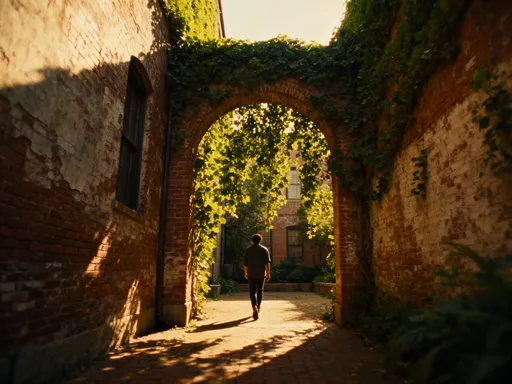
From a compositional standpoint, plazas offer endless possibilities. Reflections in puddles after rain create surreal mirror images. Arches and windows of adjacent buildings frame the church in creative ways. Black-and-white conversions can emphasize texture and timelessness, while color shots highlight the vibrancy of fiesta decorations or children’s clothing. The key is to move slowly, observe patterns of light and movement, and wait for the moment when everything aligns—not just visually, but emotionally.
Markets as Living Studios: Color, Light, and Human Connection
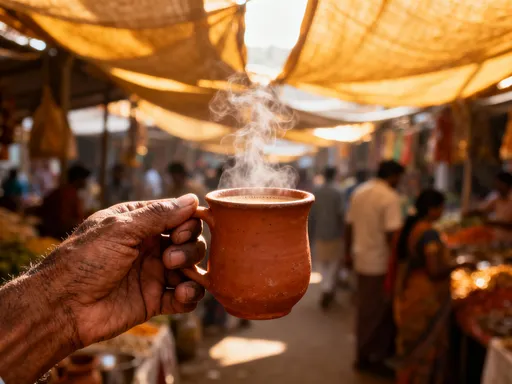
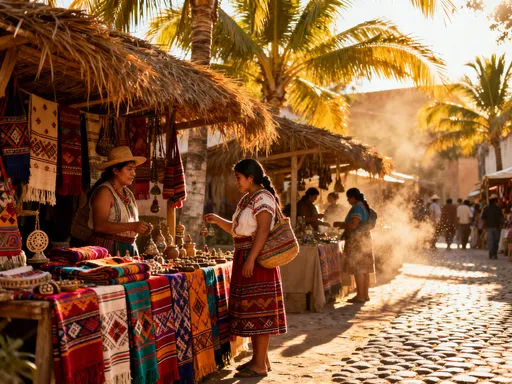
Public markets in Bohol are not just places to buy food—they are visual symphonies of color, texture, and human connection. From the bustling Ubay Public Market to the coastal Jagna Wet Market, these spaces come alive at dawn, when crates of fresh produce arrive, fish are laid out on crushed ice, and vendors arrange pyramids of bananas, pineapples, and camote. For photographers, a market is a living studio, where natural light filters through bamboo roofs, steam rises from hot snacks, and every stall tells a story of labor, tradition, and community.
The sensory richness translates directly into compelling images. Close-ups of mango skins glistening with morning dew, the intricate weave of a buri basket, or the weathered hands of a fishmonger scaling tuna—all carry narrative weight. Wide shots reveal the organized chaos: rows of stalls, hanging lights, and customers bartering with familiar ease. The interplay of shadow and light creates natural drama, especially in the early hours when sunbeams slice through the market’s canopy. A polarizing filter can enhance contrast, but often, the scene is vivid enough on its own.
Yet, the most important element in market photography is respect. These are working environments, not performances. Always ask before photographing vendors—many will agree with a smile, especially if you engage in conversation or purchase something. Some may decline, and that must be honored without argument. Over time, building rapport leads to more natural, unguarded moments—a vendor laughing with a customer, a child helping pack vegetables, or a dog napping under a stall. These are the images that resonate most, not because they’re technically perfect, but because they’re human.
Markets also reflect Bohol’s agricultural and maritime identity. Photos of dried fish, seaweed bundles, or freshly caught crabs connect viewers to the island’s economy and ecology. Including these details in your shots adds depth and context. When shared thoughtfully, such images can raise awareness about sustainable fishing, local farming, and the dignity of everyday work. In this way, photography becomes more than art—it becomes advocacy.
How to Shoot Like a Local: Practical Tips for Authentic Urban Photos
Capturing the soul of Bohol’s public spaces doesn’t require expensive gear or professional training. What matters most is intention. Approach photography as an act of observation, not conquest. Slow down. Walk without a checklist. Let your eyes wander to the details others miss—a crack in the pavement where a flower grows, a child’s chalk drawing on the sidewalk, the way light hits a wet market floor. These are the moments that define a place.
Start with natural light. Bohol’s tropical sun can be harsh at midday, so plan urban shoots for early morning or late afternoon. The golden hours offer soft, directional light that enhances texture and depth. If shooting indoors or under cover, increase your ISO slightly and use a wide aperture to maintain brightness without flash, which can feel intrusive in intimate settings like markets or plazas.
Lens choice matters. A wide-angle lens (24-35mm) is ideal for capturing plazas, murals, and market alleys, allowing you to include context and environment. A 50mm prime lens offers natural perspective and excellent low-light performance, perfect for portraits and street scenes. If using a smartphone, tap to focus, use HDR mode in high-contrast scenes, and clean the lens regularly for sharpness.
Composition techniques like leading lines, symmetry, and the rule of thirds help create balanced images, but don’t let them stifle spontaneity. Some of the best photos break the rules—cropped tightly on a hand holding a market receipt, or taken from a low angle to emphasize a child’s joy. Candid shots often feel more authentic than posed ones, but always be mindful of privacy. When in doubt, smile and ask. Most Boholanos are warm and welcoming, especially when they see genuine interest in their lives.
Finally, edit with care. Enhance contrast, adjust white balance, and crop for impact, but avoid over-processing. The goal is to reflect reality, not fabricate it. Your photos should invite viewers to see Bohol not as a postcard, but as a living, breathing community—vibrant, resilient, and deeply human.
Conclusion
Bohol’s soul isn’t only in its postcard landscapes—it pulses in its streets, squares, and shared spaces. By turning our lenses toward the everyday, we don’t just take pictures; we preserve stories. These public spaces aren’t just backgrounds—they’re where life happens. Next time you visit, walk beyond the guidebook. Look closely. The real beauty? It’s already there, waiting to be seen.