You Gotta See These Hidden Gems in Dunedin – Mind-Blowing Architecture Everywhere
Dunedin, New Zealand, feels like stepping into a living museum of stone and stained glass. I never expected such architectural drama in a city this size. From grand Victorian buildings to quirky cottages that look straight out of a fairy tale, every corner tells a story. This isn’t just history frozen in brick — it’s alive, walkable, and absolutely worth exploring. Let me show you the real heart of Dunedin through its most stunning structures.
First Impressions: A City Built on Stone and Style
Arriving in Dunedin by train or car, one is immediately struck by the city’s architectural presence. Unlike many urban centers that favor glass towers and minimalist facades, Dunedin announces itself with weight, texture, and intention. The skyline is not dominated by height but by craftsmanship — stone carvings that catch the morning light, gabled roofs rising like cathedral spires, and streets lined with buildings that seem to have grown from the earth rather than been constructed upon it. For a city with fewer than 130,000 residents, Dunedin carries an architectural gravitas that rivals much larger capitals.
This grandeur has its roots in the 19th-century gold rush, which transformed Dunedin into New Zealand’s wealthiest city during the 1860s and 1870s. The sudden influx of wealth attracted skilled stonemasons, architects, and artisans from Scotland and England, who brought with them Victorian, Gothic Revival, and Edwardian design sensibilities. They built not just for function, but for legacy. The city’s identity was being carved in stone — quite literally — using two key materials: dark, volcanic basalt quarried locally and creamy Oamaru stone, a limestone known for its fine grain and ease of carving. These contrasting materials are often used together, creating dramatic visual effects — imagine deep gray walls accented with pale, ornately sculpted window frames and archways.
Walking through central Dunedin, you can feel the weight of history beneath your feet and above your head. Yet this is no relic frozen in time. The buildings are maintained, repurposed, and integrated into daily life. Cafés operate in former banks, boutique shops occupy restored warehouses, and university students pass under arched entrances that were designed for a different century. The city’s scale makes it intimate, but its architecture gives it soul. It’s a place where beauty isn’t an afterthought — it’s foundational.
The Crown Jewel: Dunedin Railway Station – More Than Just a Stop
At the heart of Dunedin’s architectural story stands the city’s most iconic structure: the Dunedin Railway Station. Often affectionately called the “Gingerbread House” for its elaborate stonework and whimsical turrets, the station is a masterpiece of French Renaissance design. Completed in 1906, it was intended to reflect the city’s prosperity and ambition. Today, it stands not just as a functioning train hub but as a monument to craftsmanship and civic pride. Its façade is a symphony of detail — carved gargoyles peer down from the eaves, ornamental chimneys rise like sentinels, and the clock tower commands attention from every angle.
Step inside, and the drama continues. The main concourse soars overhead with a vaulted glass ceiling that floods the space with natural light. The walls are lined with polished Oamaru stone, and the floors are paved with intricate tile patterns that draw the eye in every direction. Brass fixtures gleam, wooden benches invite rest, and the air carries a quiet reverence, as if visitors instinctively lower their voices in respect. While passenger rail service is limited today, the station remains a vibrant cultural space. It hosts art exhibitions, community events, and guided tours that reveal hidden corners — like the old telegraph office and the station master’s private quarters.
For visitors, the best way to experience the station is to arrive early in the morning when the light hits the western façade just right, casting long shadows across the ornate carvings. A popular photo spot is from the footbridge near Anzac Square, where the full symmetry of the building can be appreciated. Guided tours, offered several times a day, provide insight into the station’s construction, its near-demolition in the 1980s, and the grassroots campaign that saved it. Nearby, the Platform Cafe serves excellent coffee and local pastries, making it a perfect starting point for a day of exploration. The station is more than a transit point — it’s a destination in itself.
University Grandeur: Where Gothic Dreams Come True
Just a short walk from the city center, the University of Otago campus unfolds like a scholarly village from another era. Established in 1869, it is New Zealand’s oldest university, and its architecture reflects a deep commitment to academic tradition and aesthetic excellence. At the core of the campus stands the iconic Clocktower Building, a Gothic Revival structure with a central tower that rises above the surrounding trees. Its pointed arches, tracery windows, and cloistered walkways evoke the great universities of Oxford and Cambridge, yet it has a distinct Southern Hemisphere character — grounded in stone, open to the sky, and alive with student energy.
The campus is laid out around a series of quadrangles, each with its own personality. The main quadrangle, bordered by lecture halls, libraries, and administrative offices, is a place of quiet contemplation in the morning and lively conversation by midday. Students in hooded sweatshirts and backpacks pass beneath stone arches, their footsteps echoing on cobblestone paths. The blend of historic and modern architecture is seamless — a glass-walled science building might sit beside a 19th-century chapel, connected not just physically but in spirit. The university has carefully preserved its heritage while expanding to meet contemporary needs, proving that old and new can coexist with dignity.
One of the most moving aspects of the campus is how the buildings are not just admired but lived in. Lecture halls that have hosted generations of scholars still echo with debates and lectures. The university’s Registry Building, with its grand staircase and stained-glass windows, is used daily by students filing paperwork or meeting with advisors. Even the oldest dormitories have been updated with modern amenities while retaining their original charm. The campus is not a museum — it’s a working, breathing institution that honors its past without being trapped by it. For visitors, a self-guided walking tour (available through the university’s visitor center) offers a chance to appreciate the details — the carved stone faces above doorways, the ironwork on balcony railings, the way light filters through stained glass into quiet reading rooms.
Octagon and City Centre: Walking Through Layers of History
The Octagon, Dunedin’s central plaza, serves as the city’s beating heart and architectural crossroads. Once a swampland drained and developed in the 1800s, it has evolved into a vibrant public space surrounded by some of the city’s most significant buildings. The octagonal shape itself is a nod to Dunedin’s Scottish roots — inspired by the layout of Edinburgh’s New Town — and today it functions as a pedestrian-friendly hub for gatherings, markets, and performances. Benches ring the central fountain, and palm trees (a surprising subtropical touch) add a soft contrast to the surrounding stone architecture.
On the northern edge of the Octagon stands the Dunedin Town Hall, a grand structure completed in 1880 with later additions in the 1930s. Its clock tower and arched colonnades make it a focal point, and the interior houses a beautifully preserved concert chamber with exceptional acoustics. Just across the plaza, St. Paul’s Cathedral rises with quiet dignity. This Anglican church, built in the Gothic Revival style, features a striking spire and richly detailed interiors, including a carved wooden reredos and stained-glass windows that tell biblical stories in color and light. Services are still held regularly, but the cathedral also welcomes visitors seeking peace and beauty in the middle of the city.
What makes the city center so special is not just the individual buildings but how they come together. The local council has prioritized pedestrian access, creating wide sidewalks, outdoor seating areas, and seasonal markets that invite people to linger. Street art and sculptures are thoughtfully integrated — a bronze statue of writer Janet Frame near the library, a mosaic on a side alley — adding layers of cultural meaning. Heritage overlays ensure that new developments respect the historic character of the area, whether through material choices or height restrictions. It’s a delicate balance, but one Dunedin has managed with care. Walking through the center, you’re not just seeing architecture — you’re experiencing a city that values its past while embracing the present.
Residential Magic: The Charm of Victorian and Edwardian Homes
While the public buildings of Dunedin command attention, the city’s residential neighborhoods offer a more intimate kind of beauty. Areas like Roseneath, Maori Hill, and North East Valley are filled with Victorian and Edwardian homes that have been lovingly preserved — and in many cases, enhanced. These houses, built between the 1870s and early 1900s, feature steeply pitched roofs, bay windows, decorative bargeboards, and ornate cast-iron railings. Many are painted in bold colors — deep reds, forest greens, ocean blues — making them stand out against the green hills and gray stone.
What’s remarkable is not just their survival but their condition. Unlike in many cities where old homes have been demolished or heavily altered, Dunedin’s heritage homes remain largely intact. This is due in part to strong local pride and a culture of stewardship. Many families have lived in the same houses for generations, treating them as heirlooms rather than assets to be maximized. Community groups like the Dunedin Heritage Trust offer resources and advice on restoration, and local building codes help protect significant architectural features.
Inside, these homes often reveal even more charm — original fireplaces, polished wooden floors, stained-glass transom windows above doors, and high ceilings that create a sense of spaciousness. Some have been converted into bed and breakfasts or boutique accommodations, allowing visitors to experience the warmth and character of historic living. A walk through these neighborhoods feels like stepping into a well-kept photo album — every house has a story, and many display small plaques indicating their construction date and original owner. It’s not uncommon to see residents gardening, painting window trim, or chatting over the fence, all contributing to a sense of continuity and care.
Unexpected Twists: Quirky and Hidden Architectural Surprises
Beyond the well-known landmarks, Dunedin rewards the curious traveler with architectural surprises tucked away in plain sight. One such gem is the Captain’s Home, a modest yet striking residence built in the 1870s for the captain of the Otago Harbour. Nestled in a quiet corner of the city, it features a unique blend of maritime and domestic design — sloping walls, porthole-like windows, and a weathered stone exterior that seems to echo the nearby sea. Though not always open to the public, its exterior alone is worth a visit, especially at golden hour when the light softens its rugged lines.
Another hidden treasure is the collection of historic buildings at Speight’s Brewery. Founded in 1876, the brewery has maintained its original structures, including the imposing red-brick brewhouse with its tall chimneys and arched windows. A guided tour takes visitors through the aging halls where the scent of hops and yeast lingers in the air, and the architecture becomes part of the sensory experience. The blend of industrial function and aesthetic care — from the iron staircases to the wooden barrels stacked like art installations — reveals a different side of Dunedin’s architectural soul.
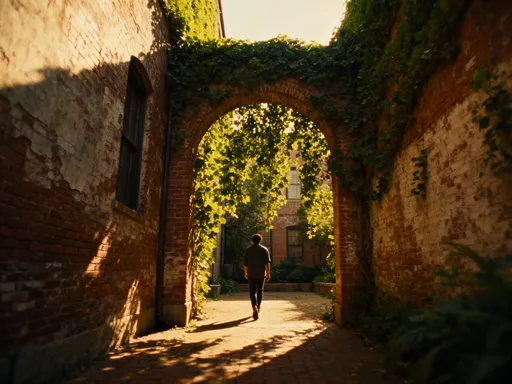
Then there are the hidden courtyards and alleyways, like the one behind George Street’s retail shops, where old service lanes have been transformed into quiet garden spaces or small art galleries. These spaces, once purely utilitarian, now serve as oases of calm and creativity. They remind us that architecture isn’t just about grand statements — it’s also about the small, human-scale moments that make a city livable. Dunedin’s charm lies as much in these quiet discoveries as in its famous facades.
Why It Matters: Preserving the Past While Living in the Present
Dunedin’s architectural legacy is more than a collection of beautiful buildings — it is a model of how small cities can honor their history while remaining vibrant and relevant. In an age of rapid development and homogenized urban design, Dunedin stands out for its commitment to authenticity, craftsmanship, and community. Its preservation efforts are not driven by nostalgia alone but by a practical understanding that heritage contributes to identity, sustainability, and economic vitality. Restored buildings require less new material, support local tradespeople, and attract visitors who value depth over spectacle.
Tourism plays a key role, but the city avoids the trap of becoming a theme park version of itself. Buildings are not preserved behind glass — they are used, adapted, and cherished. When travelers walk through Dunedin, they are not just spectators; they are participants in a living tradition. And there are meaningful ways to support this ecosystem: choosing heritage accommodations, hiring local guides, visiting museums and restoration workshops, and simply moving through the city with respect and curiosity.
In the end, Dunedin teaches us that architecture is not just about how things look — it’s about how they make us feel. A well-built street can inspire pride. A sunlit courtyard can offer peace. A century-old staircase can connect us to those who came before. To visit Dunedin is to experience a city that believes beauty matters — that every stone, every window, every roofline tells a story worth preserving. Come not just to see, but to feel the weight and wonder of a place built to last.